The Protein Problem – If You are Vegetarian

Protein Basics
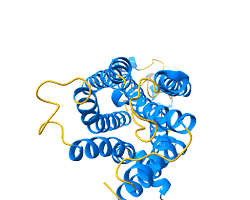
Protein is one of the 3 macro-nutrients – carbohydrates and fats being the other two. You get 4 calories for very gram of protein you consume. Protein is used to build muscle, new tissue, skin, produce hormones among many other vital functions. Amino acids are what we refer to protein at the molecular level. Think of it as salt where it contains a sodium and a chlorine atom. Protein consists of numerous amino acids.
Different dietary sources have different amino acids. Meaning, the amino acids in protein from dairy is different from that of plants or meats. Although, dairy and meats contain all essential amino acids.
Plant Problem
Indian diet is largely vegetarian and I have seen a lot of vegetarians argue that they eat enough Lentils (Dals) to get their protein. Protein digestibility and how well your body can absorb it is calculated using what is called as Protein Digestibility-Corrected Amino Acid Score (PDCAAS), which caps scores at 100% (1.0).
| Protein Source | PDCAAS Score | Notes | Academic Sources |
| Soy Protein Isolate | 1 (100%) | Devoid of fiber; holds an exceptionally high quality comparable to milk or egg. | (Sharma, n.d.) |
| Pea Protein Isolate | 0.89 | Highly digestible isolate form; frequently blended with rice protein to optimize amino acid balance. | (Santini, n.d.; Sharma, n.d.) |
| Quinoa | 0.78 | A rare pseudo-cereal containing all 9 indispensable amino acids; naturally gluten-free. | (Sharma, n.d.) |
| Rice (Brown/White) | 0.60 | Often paired with legumes to leverage protein ratio. | (Sharma, n.d.) |
| Legumes (Beans/Lentils) | 0.55 | Bio-availability boosts marginally with soaking and cooking. | (Sharma, n.d.; Opazo-Navarrete) |
| Wheat Gluten | 0.25 | Highly digestible in isolated form (>90%). | (Sharma, n.d.) |
Foods like lentils have a score of 0.55 which means only 50-55% of protein content in them is absorbed by the body. Foods like Wheat or Ragi (fox tail millet) has a score of 0.25. The reason being most of the protein in plants is present in their cell walls. Cell walls are made of cellulose which is not so easily digestible by the body. This is one of the reasons you sometimes see whole undigested corn kernels exit your body in the morning.
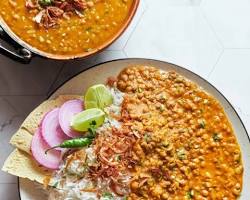
For example, if you cook 100g of raw Toor Dal (Pigeon Peas), it gains volume by absorbing water and is now nearly 300g of cooked toor dal. This a lot of dal for one person to consume. Although it is just 350 calories and contains about 25g protein, this dal is good to be eaten by nearly 3 people. So per person gets 100g of cooked toor dal. Now your 25g protein is divided into 3. This means around 8g of protein per serving. This is further halved because of PDCAAS score is 0.55. This means you are getting only 4g of protein per serving of dal.
Plant vs Dairy vs Meat
Compared to plants, dairy and meats have a significantly higher bio-availability. Meats have a PDCAAS score of 1 while most dairy products have a PDCAAS score of 0.95-1. Although meats and dairy are a superior source of protein, if you are a vegetarian or vegan due to cultural reasons you can always supplement from protein powders which have a PDCAAS score of 0.89-1 depending on the brand.
How Many Grams of Protein Per Day
Science says at least 1g of protein per kilo of your ideal body weight. My ideal weight is around 77kg. Although I am a few kilos heavier I consume around 80g of protein per day. On average you could say that for women 50g protein per day and men around 70g of protein per day.
More protein does not mean better results. More protein may worsen pre-existing kidney problems (not cause it) and protein is notorious for causing constipation since it lacks fiber. To know more about fiber, please read this post.
Sources of Protein
If you are vegetarian you can get protein from dairy – high protein paneer, Greek Yogurt and even tofu. Meat eaters can consider less fatty and more lean cuts of meat which can be either white or red. But whether vegetarian or meat, frying of these foods will destroy most of the protein content. Cooking them with minimal cooking fats such as butter or oil and seasoning them is ideal.
However for vegans sources like protein shakes, soy chunks, tempeh and tofu is a good source of protein. In general, wherever you get your protein from it is not going to taste that great. Protein is not meant for taste. Carbohydrates and fats are the ones which are meant for taste.
Vegetarian Brands I Recommend for Protein
- Greek Yogurt from Milky Mist – buy the 18g cup of Greek Yogurt
- Skyr Yogurt from Milky Mist – this contains 25g protein per cup
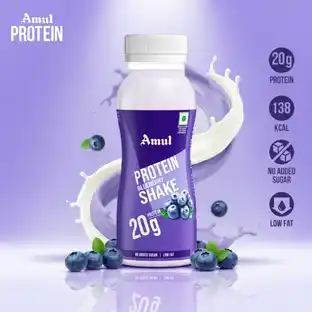
- Amul Protein Shake – this contains 20g of protein per bottle and is only 140 calories!
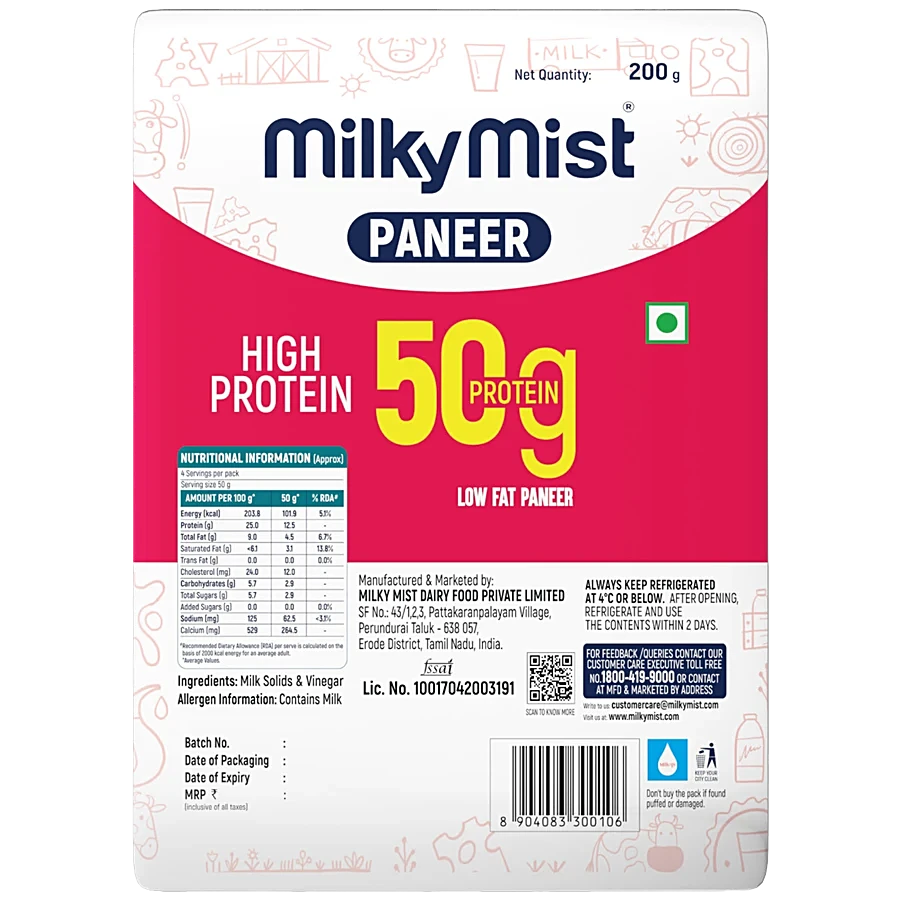
- High Protein Paneer – sold by multiple brands like Organic Mandya, Milky Mist and Akshyakalpa. These contain 50-60g protein per 200g block.
- Briya Tofu – This contains 30g of protein per 200g block. Taste wise however this has to be most awful of the entire list.
Glorified Junk Food But Marketed as Protein
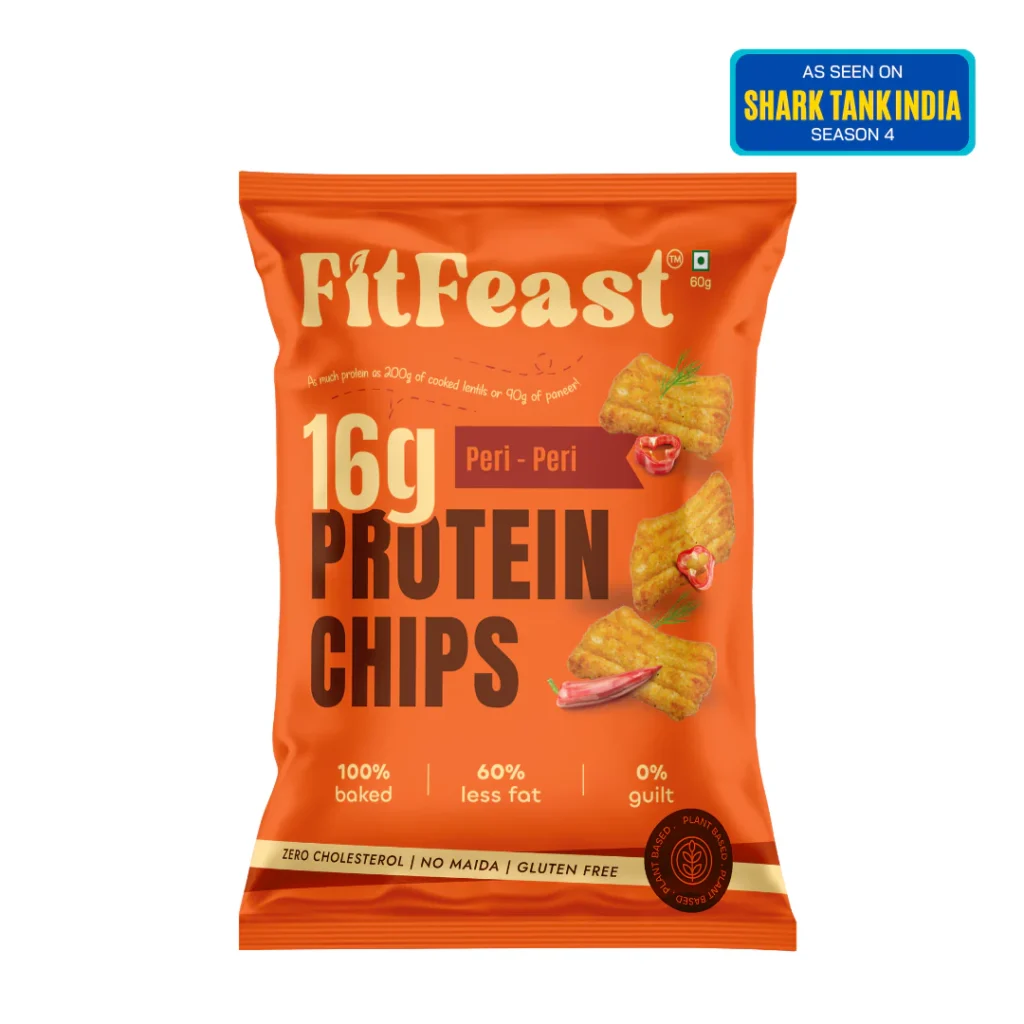
There are numerous brands today that have improved the nutritional quality of junk foods like cookies, cakes and even namkeen (chips). These foods are however 450-550 calories per 100g but may contain a little bit more protein than their counterparts. These foods are not worth the value they provide in terms of ratio of protein available versus total calories consumed. Meaning, a lot of these brands provide an average 15g of protein but you need to eat about 500 calories.


Chahat
Thank you for such a simple, detailed, and helpful article. As a vegetarian, it’s a constant struggle to get a solid source of protein, but reading this helped me gain a lot of insight. Definitely going to use this from now on!