Protein Powders – Who, What, Where, When and Why?

What is Whey?

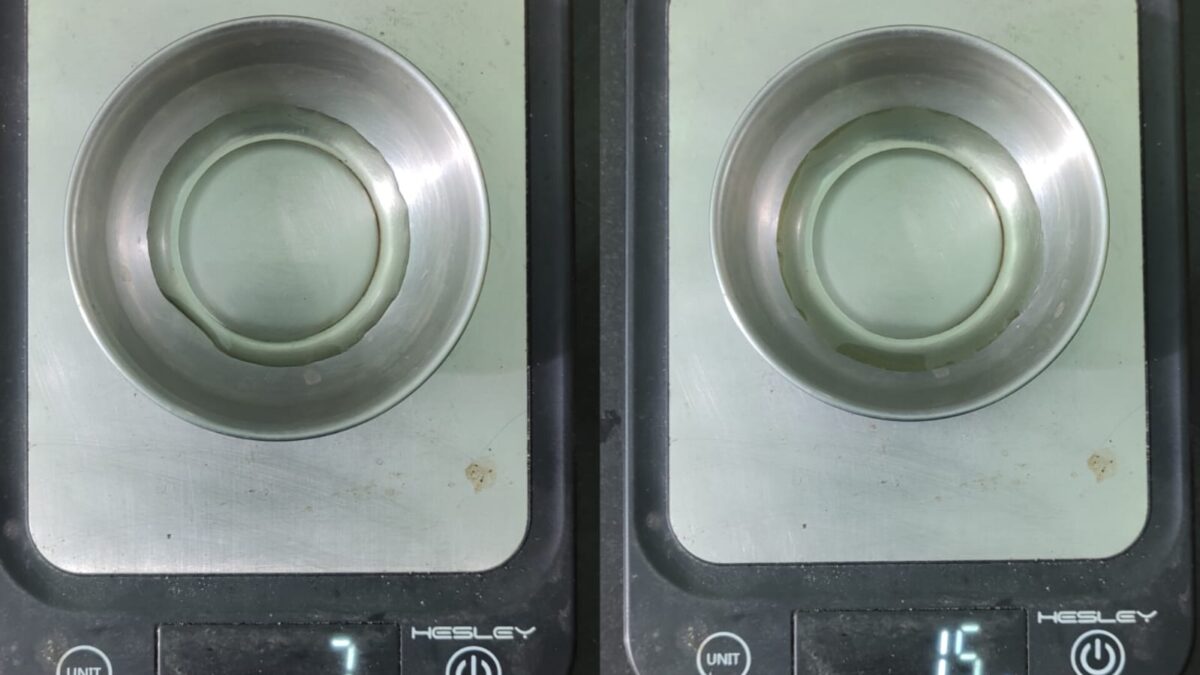
When you make Desi cheese aka paneer at home, you are left with a chalky liquid. You may even notice this chalky liquid on top of curd as well. This chalky liquid is called “whey”. Of course, this is not the best tasting and isn’t entirely protein. Manufacturers freeze dry this, eliminate the impurities and add flavor so that it is fit for human consumption. Whey and Casein are two of the protein components in milk. In other words, whey protein powder is a dairy based product.
Why Whey?
Whey protein is the most convenient source of protein for anyone. It is so simple to consume that you need to add it to water, shake it up and drink. That’s it. There is no need to cook or do any other steps than this. Whey is also relatively inexpensive. It can cost anywhere from Rs. 2000 – Rs. 5000 for a kilo depending on the brand and purity levels. In many cases, you are paying more simply because a celebrity is endorsing that brand.
There are 3 types of whey protein powders:
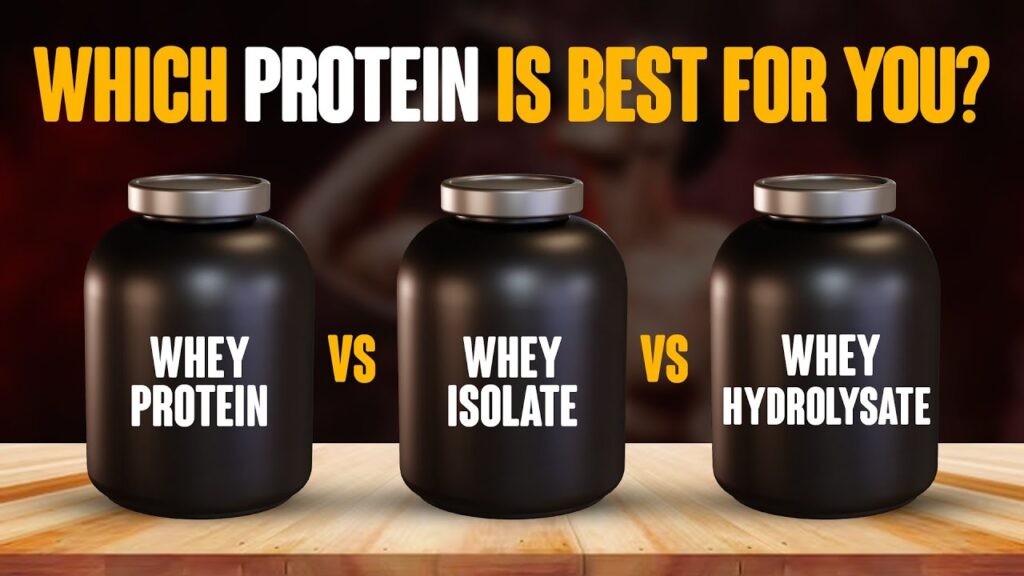
- Whey Concentrate – purity can be anywhere from 75% to 85%. Meaning per 100g you can get anywhere from 75g to 85g of protein. This is the least expensive type of whey protein. The balance 15%-25% contains carbohydrates and fats.
- Whey Isolate – purity is over 90%. The presence of carbohydrates and fats is negligible, sometimes as less as 3g per 100g. This is good for those at risk of diabetes and those who are on a low carbohydrate diet. This type of protein powder is costlier than the concentrate variant.
- Whey hydrolysate – here as well, the purity is over 90% with very little carbohydrates. This is good for those with a sensitive gut and is often used in baby formula. This can be costlier than the isolate variant.
You also get casein protein which is almost as expensive as the hydrolysate protein. There are also vegan protein powders made with peas and rice (similar purity levels like whey). This is also good for those who are vegan for cultural reasons or have a sensitive gut.
There are numerous brands disguised as a protein supplement. For example D-Protein, Protein X and even Amul Pro Whey. These brands are 75% carbohydrates and only 15%-25% protein. These are not protein shakes. These are carbohydrate drinks no different than your Boost or Bournvita except they don’t contain sugar (at least some of them don’t). However, they are still a waste of calories and money.
When Do You Take Whey?
Whey can be taken at any time which is convenient! The human body’s ability to digest protein or digest food in general is active 24/7. Although a lot of people prefer to have protein shake immediately after a workout, it is more to do with discipline than any scientific reasoning. One to two scoops a day of whey can give you around 50g-60g of protein depending on the purity levels. This alone can fulfill your daily protein requirements to a large extent.
Who Needs Whey?

In my opinion, everyone needs a protein supplement – especially in India. Nutritional deficiencies are not limited to just vitamins and minerals. It is also due to the lack of protein in your diet. And the statistics show that there is a major lack of protein in the Indian diet.
A recent NFHS (National Family Health Survey) analysis found that 73% of Indians do not consume enough protein in their daily diet. In a study by ICMR (Indian Council of Medical Research) 62% of daily calories in Indian diets come from carbohydrates — one of the highest proportions globally. (statistics generated using CoPilot AI)
This might improve over the next few years as the demand for whey protein and protein powders in general have skyrocketed in recent years.
Where to Buy?
Amazon or the company website are the most reliable places to buy protein powders. These days even QSR (Blinkit, Zepto) platforms sell protein powders. Look at the reviews and decide yourself based on your budget and brand loyalty if any. Yes, protein powders are not the best tasting. This is because each brand uses a different artificial sweetener and that can respond very different to each individual.
I don’t want to recommend or mention any brands here that I have used because I don’t want to give you the impression that I have been endorsed by any company. Upon request I can recommend some brands.
Old Wives Tales About Whey
- Whey is Steroids – I wish that was true. It would help you make progress which takes years to achieve within a few weeks. And would be significantly less expensive than steroids. Whey being called a steroid is like calling the Maruti Breeza as a SUV just because it looks like one.
- Whey causes Kidney health issues – protein as a nutrient can only worsen pre-existing kidney health problems and not cause it. This is similar to how salt worsens high blood pressure but does not cause high blood pressure.
- Protein Powders cause bloating – yes and no. Some inferior brands may contain higher concentration of lactose that leads to bloating. Most people unknowingly are sensitive to lactose. This means they can feel bloated consuming any dairy product and not just whey. In such cases go for Whey isolates or vegan protein powders.
Author’s opinions are not personal. They are well researched and have scientific backing.