Na? K. All Good

Na? K.
Sodium (Na) is arguable the most important micro nutrient in your body. A sodium deficiency shows up almost immediately. Unlike other deficiencies which are quite subtle, sodium deficiency is quite obvious. But sodium gets a bad name – I mean look at all the low salt foods and the blame sodium gets for “causing” high blood pressure.
Potassium (K) is equally important but you don’t see doctors advise you to go on a low potassium diet. Potassium and sodium work together to make a lot of things happen in the body. Let us understand this better.
Role of Na and K
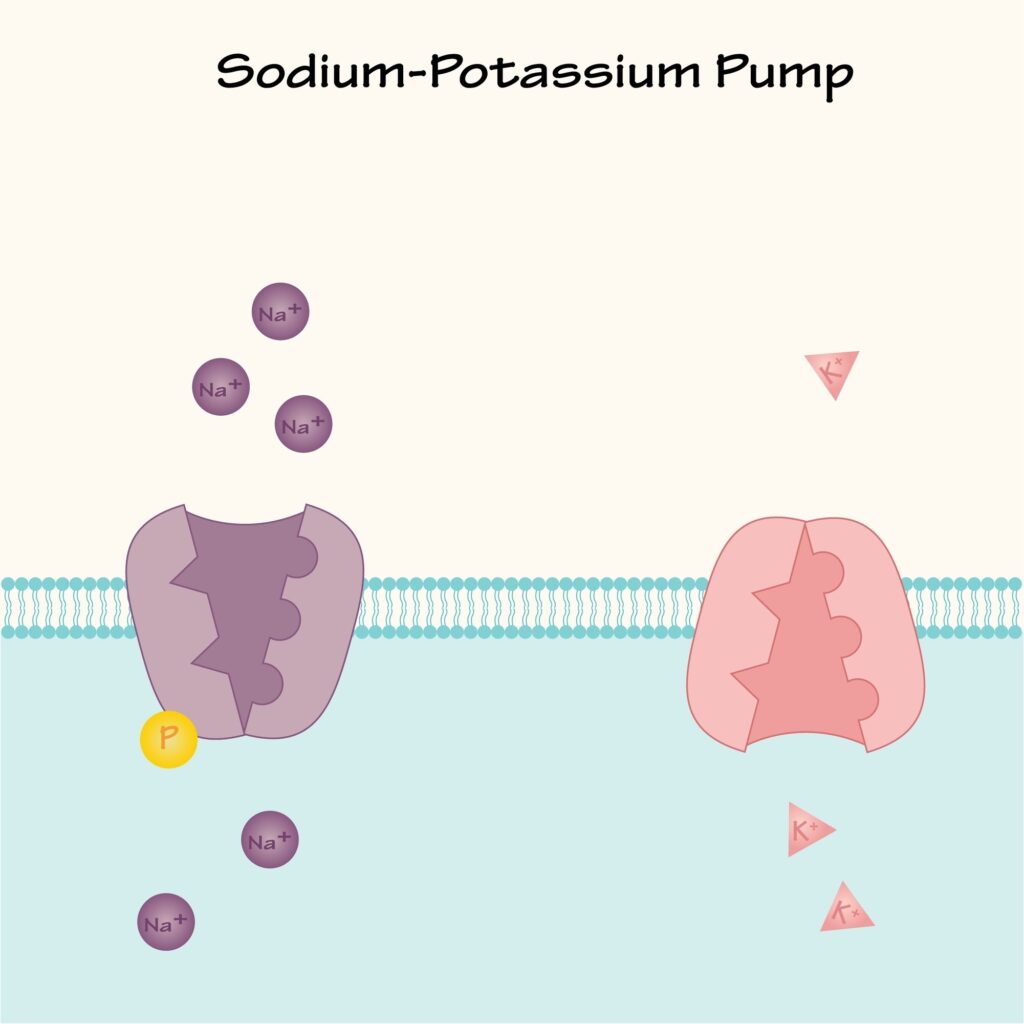
Let’s say you try to move a muscle for any action. The signal is sent from the brain to the muscle. When the signal reaches the muscle, microscopic “doors” (sodium channels) open in the cell membrane. Sodium rapidly rushes into the cell. This sudden shift in electrical charge tells the muscle fiber to contract. Sodium and potassium work in synchronization. To contract sodium helps and to relax potassium helps.
To give, you an idea how important this is, for every action and every movement you are doing including me typing this article, there is continuous firing of sodium-potassium molecules to make this happen. This applies to all movements. Even your walking, running, weight training etc.
Glucose for your body is like petrol for your car. Salts however are like your brake fluid and oil that make different parts run efficiently… a well oiled machine as it is called but for the human body.
But Na causes BP
The misconception is that sodium causes high blood pressure. I’ve heard countless clients tell me how their doctor advised them to minimize or avoid salt because it causes high blood pressure. But this is incorrect. Sodium can worsen high blood pressure and not cause it.
High blood pressure or hypertension is caused due to poor eating habits, being obese, not managing stress and not exercising. It is not because of ‘thoda extra namak’ on your dal chawal or curry. All salts are stored in water. A high sodium diet retains more water and this can worsen existing hypertension.
Salt Bae
Sodium and potassium lost through sweat. This could be during a hot summer day or because you are working out. In either of the cases you lose salt. Losing of salt is dangerous. It causes dehydration. Contrary to popular belief dehydration is not the loss of water. But the loss of water and salts. You may have experienced this if you have had even one episode of diarrhea. That weakness and cramps you experience is because of the loss of salts.
Go with the Flow
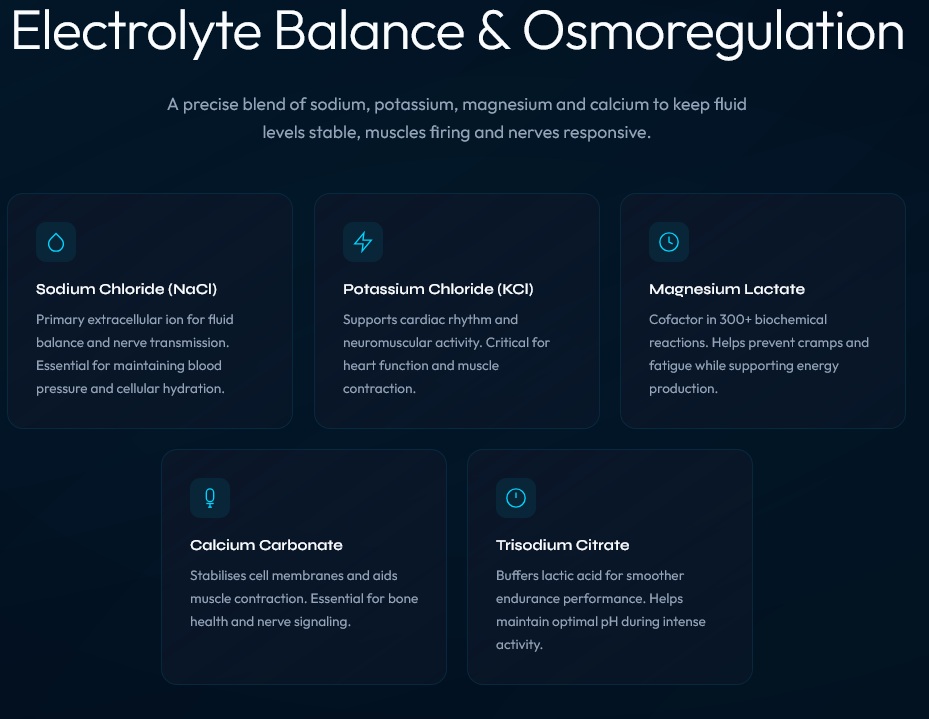
The loss of salts can be countered with consuming electrolytes. Just consuming table salt may not be enough. Electrolytes from brands like Flow have superior blends and can have better delivery of the lost salts in your body. Although this is not a paid post, products like these are very useful for those who sweat a lot through exercise or in have hyperhidrosis.
Do not fear salt. Do not go on a low salt diet thinking it will avoid high blood pressure. You are at risk of dehydration, brain fog, cramping and many other problems. Salt is your friend and you need it more than you think.


Khushi
One of the most balanced explanations I’ve read on sodium and potassium. The point that stood out was how sodium doesn’t *cause* hypertension but can worsen an existing condition. Also loved the analogy of glucose being the fuel and electrolytes being the oil and brake fluid of the body—it makes the science easy to understand. A good reminder that nutrition is rarely about demonizing a single nutrient; context and overall lifestyle matter much more.
Ganesh L D
Really good explanation of sodium/potassium mechanisms in body..
Very clear explanation of why/how they are needed and used in layman’s terms..
Thank you!
Ganesh L D
Very clear and simple explanation on the essentiality of sodium and potassium..
Thanks!!
Rachana
The explanation was clear, honest, and straightforward. It answered several questions I had and provided useful insights.