Butter, Not Magic: What Actually Makes Restaurant Food So Good

It is obvious by now that in restaurants that anything they prepare is tasty. Even something as simple as soup or a dish which is normally considered mundane at home can be quite tasty at a restaurant. But what makes restaurant food so tasty? The answer may not surprise you. But the secret ingredient is just butter. A LOT of butter.
I hope I haven’t frightened anyone away but it is usually the first thing and the last thing in. In just about every pan really. That’s why restaurant food tastes better than home food. …Of course most things have butter because butter makes things taste better. Yeah it’s a chef secret. It mellows sauces, it gives it that restaurant sheen and emulsified consistency that we love, and it’s you know it’s classic – Anthony Bourdain (1956-2018)
The first time I saw this was when I requested additional vegetables instead of mashed potatoes along with my meal at Truffles.The waiter arrived with a small cup of zucchini, carrots, beans and broccoli. This was some of the best tasting vegetables I had eaten. But I noticed a sheen on the vegetables.
Let us understand how butter and food chemistry can make food taste so good. Butter is the emulsification of fat and water. Ideally fat and water cannot mix. The creaminess, velvety and shine which butter brings out in food is due to a molecule called Diacetyl.When butter is heated, volatile aroma molecules are released into the air. As you chew, those aromas travel from the back of your mouth into your nose—a process called retronasal olfaction.
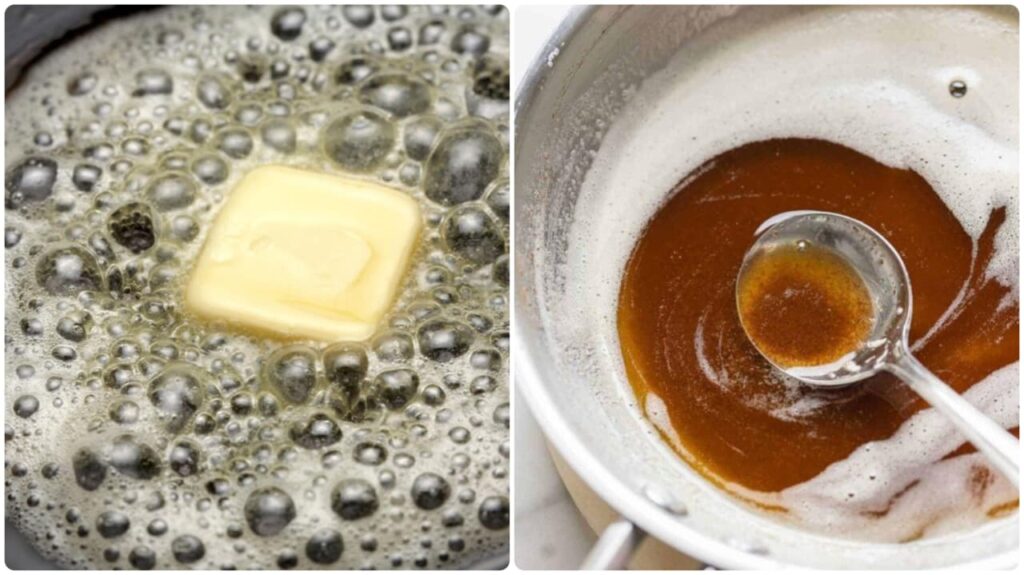
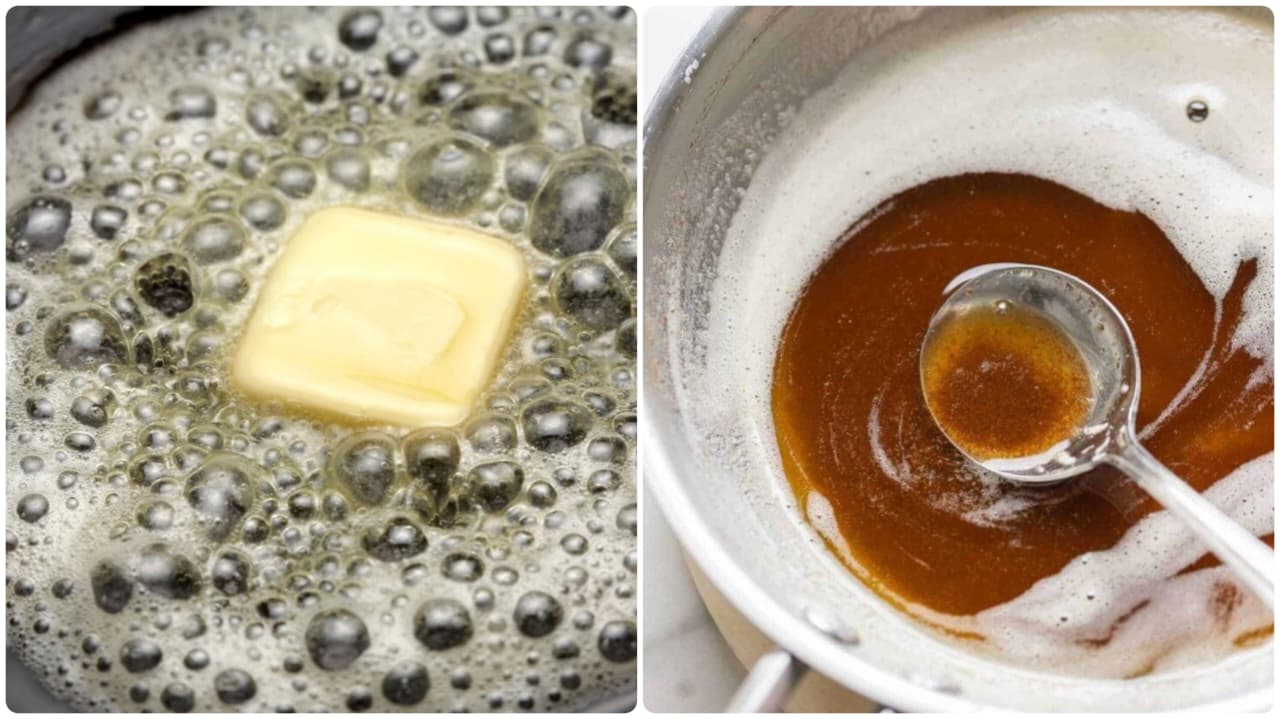
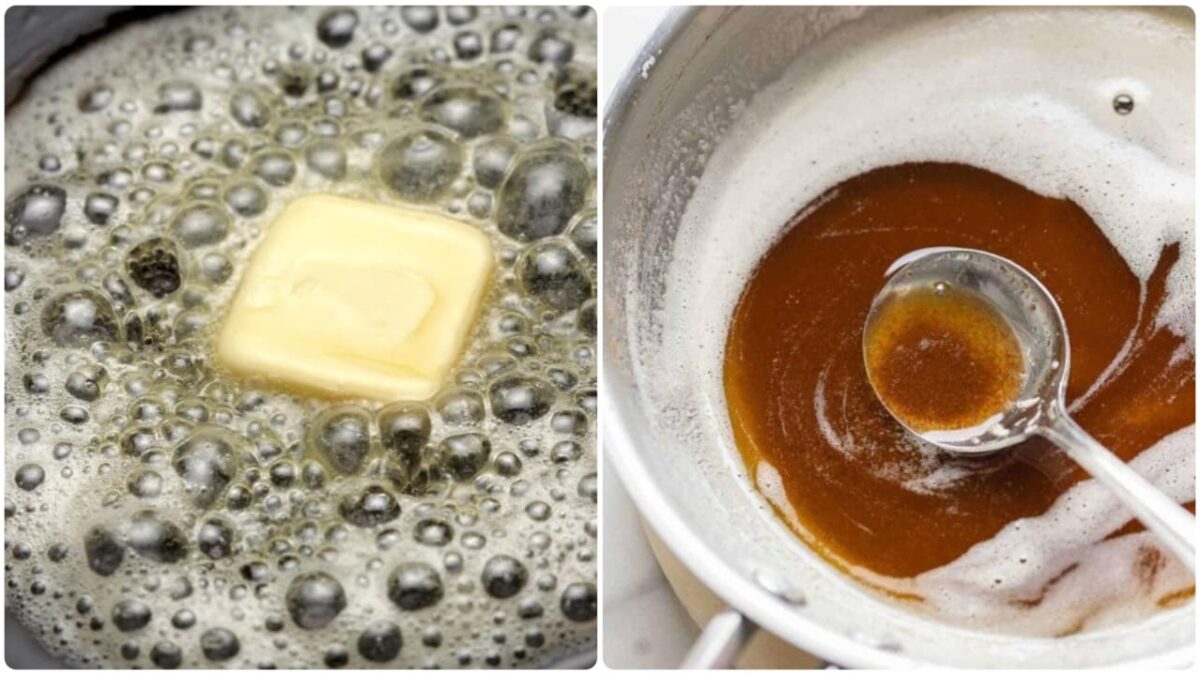
This is why some recipes call for different types of butter to be used. For example you’d see cold butter used for making cookies while butter at room temperature is ideal for sauteing while brown butter is better to be used as garnish or while making sauces. Brown butter is the final step of making ghee just before the milk solids are separated from the fat.
This unique blend of fat-water makes significant changes in how food tastes. For example, broccoli can suddenly taste very good because the harsh flavor of broccoli which is the result of sulfur compounds can now make the taste rich by merely sauteing in butter. Sweetness of carrots can be enhanced when they are sauteed with butter.
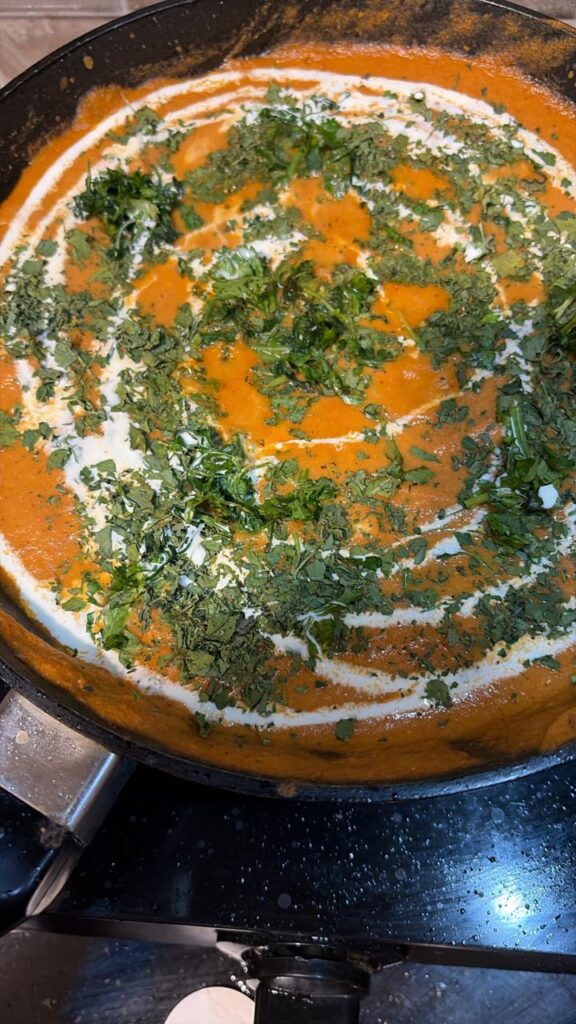
In fact, in most North Indian curries, the base gravy of the dish is made with tomatoes and onions. This gravy is often called ‘Makhani Gravy’. One story behind the name is that the smoothness/velvety feel of the sauce should give you the feeling that you are eating butter while others argue that for the best tasting curries, make the gravy (sauce) by cooking tomatoes and onions with spices of course in a lot of butter. The cooked tomatoes and onions can often be blended with cashews (fats again!) to add further richness to the food. Why stop here? Add some cream to the dish and you have now made restaurant food at home.
Now that you know the secret ingredient and how it enhances the flavor, what can you do when you want to eat out and still reduce calories wherever possible?
- Ask the cook to not do a second round of tadka just before the curry is prepared and served.
- Ask if less butter can be used to make the dish – in most cases they will agree
- Ask if that dollop of butter added on top of the dish when served can be avoided.
These small actions can save 100s of calories during your fat loss journey. Also, if you are preparing food like restaurants at home, fat loss can become extremely challenging.