Simply Fat

There is dietary fat which is fat that is present in food and body fat.
Body fat is of two types – subcutaneous and visceral. Subcutaneous is under the skin. This is fat present in your glutes, cheeks, thighs, upper back and even your arms. Visceral fat is the problematic fat. This is what we call as ‘Belly Fat’. This can seep into vital organs and affect their functioning.

Body fat is solely the result of consuming excess calories. If your maintenance calories is 2000 calories per day but you eat 2500 calories per day, that extra 500 calories can go without being utilized and be turned into fat. If you repeat this for a whole year, you have consumed enough calories to gain over 20kg in body fat assuming you are living a sedentary life.
Initially the extra fat being put on may go unnoticed, this is subcutaneous. You would notice chubby cheeks (I think mine are evident in that picture) or flabby arms as the first sign. But once the body runs out of places to put on fat, it deposits in the belly and that is when most people notice they have gained fat. Again, this is not an overnight process. It can take months to notice you have gained some belly fat.
Dietary fat is further classified into saturated and unsaturated fat. An easy way to distinguish the two would be – saturated fats are generally solid at room temperature while unsaturated fats are liquids at room temperature. Saturated fats are linked with heart disease and increased levels of low density lipoprotein (LDL) or bad cholesterol. But new research points otherwise. For example, a 2014 review (https://doi.org/10.7326/M13-1788) of 32 studies that included 27 randomized control trials involving over 650,000 people found no association between saturated fat intake and heart disease risk.
It is incorrect to blame one factor for heart health issues when heart health issues are a multi-factor problem. Meaning, it is not just the consumption of saturated fats that can cause heart problems – there are other lifestyle factors to consider.
In general, fat is fat. Whether it is saturated or unsaturated. The total calories you get from 1g of saturated or unsaturated fat is the same which is 9 calories per gram. However, in my opinion it is easier to over consume saturated fats because you need to add more of it to a dish. For example in baking, a small batch of cookies can recommend over 100g of butter which is nearly 800 calories. While you don’t see so much unsaturated fats like oils being used to prepare a curry or roti.
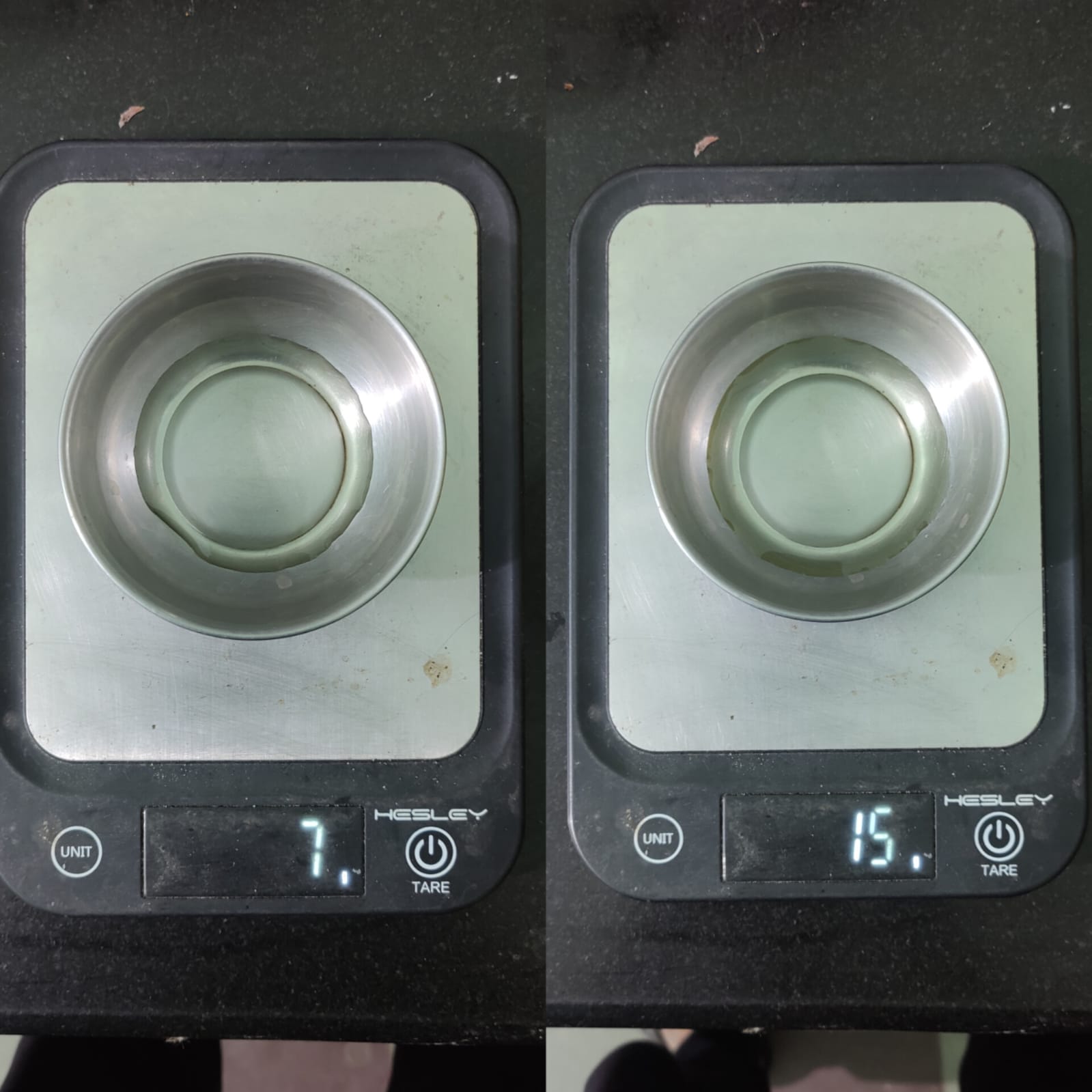
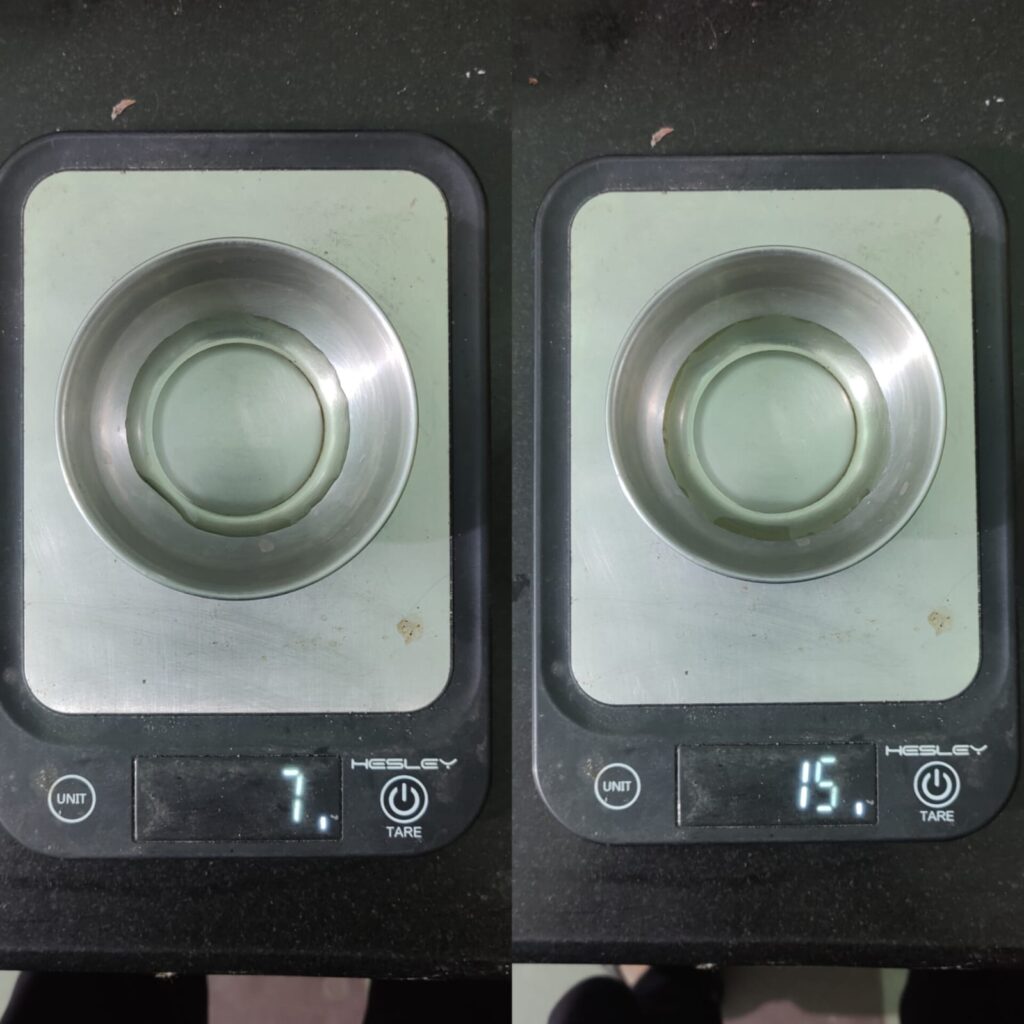
This density of calories is why it is easier to put on fat when you consume dietary fats. A teaspoon of oil is very different from a tablespoon of oil and the difference in calories can be significant. It is easy to over use any kind of cooking fats. Some ways to minimize this use is to use a spray bottle for your oils. You can also use butter with reduced fat which can be 600 calories per 100g. You can also avoid adding a second tadka to your dishes which also saves a significant amount of calories. It is always wise to use any cooking fat – ghee, oil or butter sparingly.
Remember, eating fat does not make you fat. Excess calories from any source – carbohydrates, protein or fat can make you fat. It is just that fats have a higher chance of pushing you into a calorie surplus unless you are measuring how much you are adding into your food.